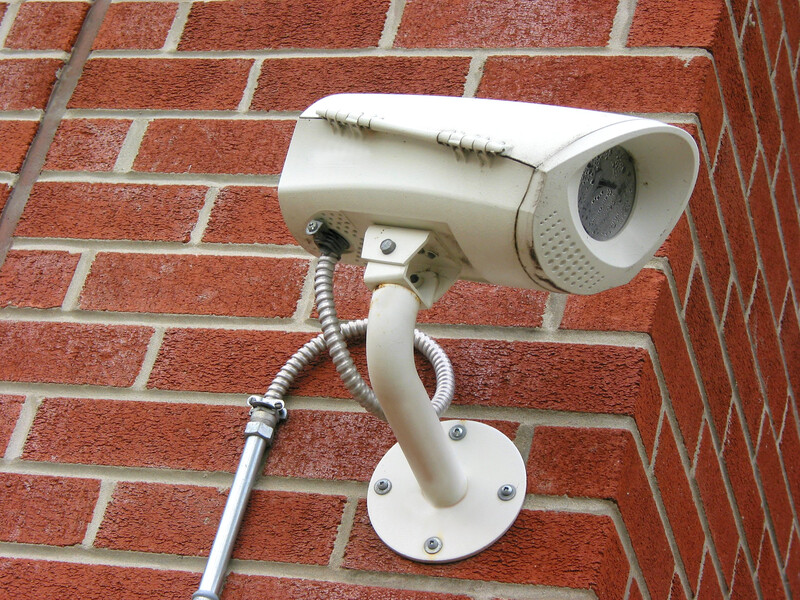
Closed-circuit television (CCTV) systems have become an essential part of security measures for businesses of all sizes. However, as technology advances and privacy concerns become more prominent, it’s essential for business owners to understand the implications of using CCTV cameras in their establishments. This article will discuss the importance of data privacy in the context of CCTV, the legal and ethical considerations, and best practices for responsible usage.
The Importance of Data Privacy
Data privacy is a critical concern in today’s digital age. Businesses collect vast amounts of data daily, and this data can be used to track people’s movements, habits, and preferences. With the widespread use of CCTV cameras, businesses must ensure that they are not infringing on individuals’ privacy rights.
Protecting data privacy is not only an ethical obligation but a legal one. Many countries have enacted strict data protection regulations, such as the General Data Protection Regulation (GDPR) in the European Union and the California Consumer Privacy Act (CCPA) in the United States. Failure to comply with these regulations can result in hefty fines and damage to your business’s reputation.
Legal and Ethical Considerations
Before installing a CCTV system, business owners must be aware of the legal and ethical considerations involved. Some key aspects include:
Consent and Notification
It’s essential to inform employees, customers, and visitors that they are being monitored by CCTV cameras. This can be done through clear signage in visible locations. In some jurisdictions, you may be required to obtain consent from individuals before recording them, particularly if the footage will be used for purposes beyond security.
Purpose Limitation
The data collected through CCTV should only be used for the intended purpose, such as ensuring security or monitoring employee performance. Using the data for other purposes, like marketing or selling it to third parties, may violate data protection laws and infringe on privacy rights.
Data Retention
Businesses must have a clear policy regarding how long they will retain CCTV footage. Storing data indefinitely is not recommended, as it increases the risk of unauthorized access and potential misuse. Establish a retention period based on the purpose of the surveillance and delete the footage once that period has expired.
Access Control
Restrict access to CCTV footage to authorised personnel only. Implement strict access control measures, such as password protection and user authentication, to prevent unauthorised individuals from viewing or tampering with the footage.
Best Practices for Responsible CCTV Usage
To ensure the responsible and compliant use of CCTV systems, consider the following best practices:
- Conduct a Privacy Impact Assessment (PIA): Before installing a CCTV system, perform a PIA to identify and mitigate potential privacy risks. This assessment should include an evaluation of the necessity and proportionality of the surveillance, as well as the potential impact on individuals’ privacy.
- Develop a Clear CCTV Policy: Create a comprehensive policy outlining the purpose of the CCTV system, data retention periods, access control measures, and procedures for handling data subject requests (e.g., requests for access, deletion, or rectification).
- Regularly Review and Update Policies: Regularly review and update your CCTV and data privacy policies to ensure compliance with evolving laws and regulations. Provide ongoing training to employees responsible for managing the CCTV system and handling data subjects’ requests.
- Implement Robust Security Measures: Safeguard the CCTV footage by implementing robust security measures, such as encryption, firewalls, and intrusion detection systems. Regularly monitor the system for vulnerabilities and promptly address any security issues that arise.
- Be Transparent: Be transparent about your use of CCTV and communicate this information to employees, customers, and visitors. Provide clear signage around your premises, and make your CCTV policy readily available for anyone who wishes to review it.
Tips for CCTV Installation
To maximise the effectiveness of your CCTV system while maintaining data privacy, consider the following tips when installing cameras on your premises:
-
Choose the Right Camera Locations:
It’s crucial to strategically place cameras in areas where they will provide maximum coverage and deter criminal activity. Focus on high-risk areas like entrances, exits, parking lots, and cash registers. However, avoid placing cameras in locations that may infringe on personal privacy, such as restrooms or changing rooms.
-
Use a Mix of Visible and Covert Cameras:
While visible cameras can act as a deterrent to potential criminals, covert cameras can help capture incidents without the knowledge of the perpetrators. Using a combination of both types of cameras can enhance the overall effectiveness of your surveillance system.
-
Ensure Proper Lighting:
Good lighting is essential for capturing clear, high-quality footage. Make sure that the areas being monitored are well-lit, and consider using cameras with low-light capabilities or infrared technology for dimly lit spaces.
-
Opt for High-Resolution Cameras:
Higher-resolution cameras provide clearer images, making it easier to identify individuals and monitor activities. Investing in high-resolution cameras can improve the overall effectiveness of your CCTV system.
-
Regular Maintenance and Inspection:
Regularly inspect and maintain your CCTV system to ensure it remains functional and effective. Clean camera lenses, check for loose connections and replace any damaged components as needed.
-
Secure the Network:
If you’re using an IP-based CCTV system, it’s essential to secure the network to protect against cyberattacks. Implement strong password policies, install firewalls, and keep software up-to-date to minimise security risks.
-
Consult Professionals:
If you’re unsure about the best practices for CCTV installation or need assistance with complex systems, consider hiring professional installers. They can provide expert guidance on camera placement, system configuration, and compliance with data privacy regulations.
By following these tips for installation, you can ensure that your CCTV system is both effective in enhancing security and compliant with data protection laws. Remember to regularly review and update your system as needed to maintain its efficiency and adapt to changing regulations.
Conclusion
In conclusion, while CCTV systems can offer significant benefits to businesses in terms of security and operational efficiency, it’s crucial to balance these advantages with the responsibility to protect individuals’ privacy. By understanding the legal and ethical considerations surrounding CCTV usage and implementing best practices, business owners can ensure that their surveillance systems are both effective and compliant with data protection regulations.