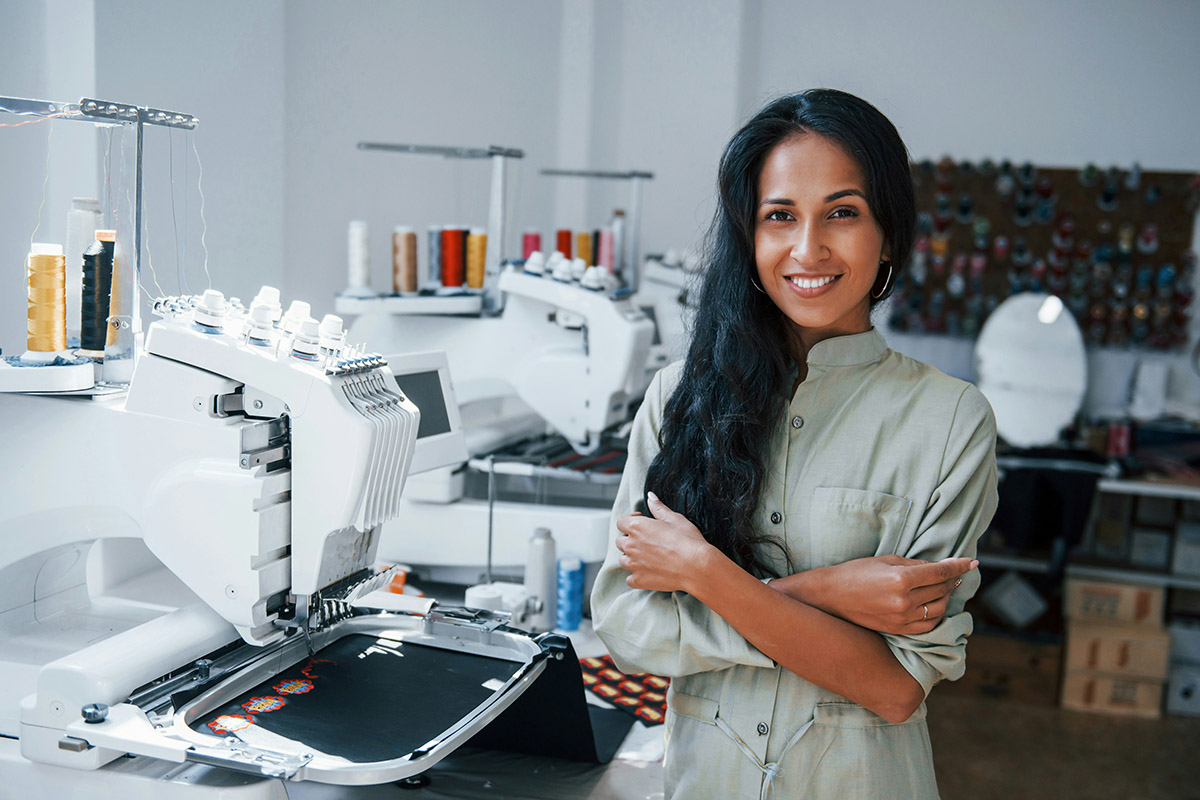
If you’re ordering custom embroidery for your business, team, or event, you want the best balance between quality and cost. Embroidered garments create a sharp, professional look — and incorporating a custom logo is essential for effective branding and customization. However, pricing can vary depending on your design, garment, and supplier.
This guide breaks down the key factors that affect embroidery cost, so you can make informed choices, avoid common pitfalls, and get excellent results without overspending.
1. What Is Custom Embroidery?
Custom embroidery is a durable, high-quality way to add logos or designs to a variety of garments, including polo shirts, business shirts, jackets, t-shirts, and bags. Unlike screen printing, embroidery uses thread to stitch directly into the fabric, creating a textured, long-lasting finish that won’t peel or fade.
The process starts with digitizing your artwork — converting your logo into a file that an embroidery machine can read. Then, thread colors are selected to match your branding, and the design is stitched onto your chosen fabric. With the help of a professional embroidery shop, like Say It In Stitches, your team or business can achieve a polished, professional look across all your garments.
2. Understand What Affects Embroidery Pricing
Getting the best rate on embroidery starts with knowing what influences cost:
- Stitch count: The more stitches in your design, the higher the cost — usually calculated per thousand stitches.
- Design complexity: Tiny text and detailed elements require more time and thread.
- Thread colors: Multiple colors mean longer setup time.
- Fabric type: Thick or textured materials slow down machine speeds.
- Placement: Full-back embroidery is more expensive than a simple left-chest logo.
- Quantity: Larger orders reduce the per-item cost.
- Minimum order quantity: Most embroidery shops offer better pricing above a certain number of items.
You might also be charged a setup fee for digitizing your design. Some suppliers waive this if you already have a digitized file.
Always ask to see a price list upfront — it helps you compare options, spot any hidden fees, and make informed decisions about your order.
3. Embroidery Pricing Methods: Stitch Count vs. Flat Rate
Embroidery shops typically use one of two pricing models:
- Stitch count pricing charges based on the number of stitches in your design. More detail = more stitches = higher cost.
- Flat rate pricing charges a fixed price per item, regardless of stitch count. It’s simpler and more predictable.
Ask your supplier which pricing model they use so you can budget accordingly.
4. Embroidery Stitches and Why They Matter
The type and number of stitches used affect both quality and price. Common stitch types include:
- Running stitches: For outlines and fine detail
- Satin stitches: Smooth, raised borders
- Fill stitches: For large, solid areas
Higher stitch counts generally mean higher quality — but also higher cost. Designs with clean lines and fewer details will be more affordable to embroider.
5. Choose the Right Garments for Embroidery
The clothing you choose affects both price and finish:
- T-shirts: Affordable and ideal for light branding.
- Polo shirts: Great for uniforms and business apparel.
- Shirts: Offer a more formal, professional look.
- Hoodies and jackets: Durable but cost more due to thicker fabric.
- Bags: Good for branding, but not all are embroidery-friendly.
Always choose garments compatible with embroidery machines to ensure high-quality results.
6. Simplify Your Design to Save Money
You don’t need a complex design to make an impact. To keep costs down:
- Use fewer thread colors
- Avoid small text and intricate detail
- Stick to standard placements like the left chest or sleeve
Simpler designs reduce stitch count and production time, which helps you stay within budget.
7. Prepare Your Artwork Properly
Clean artwork reduces delays and costs. Before you send your logo:
- Use high-resolution or vector file formats (AI, EPS, or PNG)
- Include clear size, placement, and color instructions
- Ask for a stitch estimate — it impacts pricing
Most embroidery services can help you prepare artwork or digitize your file for a one-time fee.
8. Embroidery vs. Screen Printing
Not sure whether to embroider or print? Here’s a quick comparison:
- Embroidery: Best for polos, shirts, jackets, and teamwear. Offers a high-end, durable finish.
- Screen printing: More affordable for bold, colorful designs on large quantities of t-shirts or promo bags.
Embroidery lasts longer and is ideal for business branding and professional uniforms.
9. Embroidery for Business Branding
Embroidered logos help businesses stand out. From company polos to staff uniforms, custom embroidery reinforces your brand’s professionalism and unity.
A reliable embroidery shop will offer:
- Competitive pricing
- Attention to detail
- Fast lead times
- Excellent customer service
Whether you’re outfitting employees, teams, or events — high-quality embroidery adds value to your brand.
10. Key Questions to Ask Before Ordering
Before placing your order, clarify:
- Is pricing based on stitch count or flat rate?
- What’s included in the total price?
- Are there setup fees?
- Can I mix sizes or garments in one order?
- Are digital proofs or samples available?
A good supplier will offer transparency and complete clarity on all costs involved.
11. Be Smart About Order Volume and Timing
- Larger orders reduce your cost per item — useful if you plan to reorder soon.
- Rush jobs may include a small surcharge, so plan ahead to avoid extra fees.
- Some embroidery shops offer low minimums at reasonable prices, ideal for limited runs.
12. Care Tips to Keep Your Embroidered Items Looking New
Help your embroidered products last longer:
- Wash inside out at 86°F (30°C)
- Don’t tumble dry
- Avoid ironing over the embroidery
- Use mild detergent
Proper care keeps your embroidered shirts, polos, and jackets looking sharp for longer.
Final Thoughts
Getting the best rate on custom embroidery isn’t just about finding the cheapest option — it’s about understanding what you’re paying for. By choosing the right garments, simplifying your design, preparing your artwork correctly, and asking the right questions, you’ll ensure great results that reflect your brand.
Whether you’re ordering embroidered shirts for your business, polos for a team, or bags for a promotional event, smart planning and clear communication with your embroidery shop will save you time, money, and hassle.
Frequently Asked Questions (FAQs)
How much does custom embroidery cost per item?
It varies depending on stitch count, garment type, and quantity. Smaller designs may cost around $6–$10 per item, not including setup or tax.
What’s included in the total cost?
Typically: garment price, embroidery cost (based on stitch count or flat rate), setup fee, tax, and delivery. Always confirm with your supplier.
Can I provide my own garments?
Many embroidery shops allow this, but it’s best to check first — some fabrics are harder to embroider than others.
Is embroidery better than screen printing?
For long-lasting, high-quality results on professional garments, embroidery is usually the better option. Screen printing is better for large, colorful promo designs.
What file formats should I use for my logo?
Vector files like AI or EPS are ideal. High-res PNGs may also work. Confirm file types with your embroidery shop.