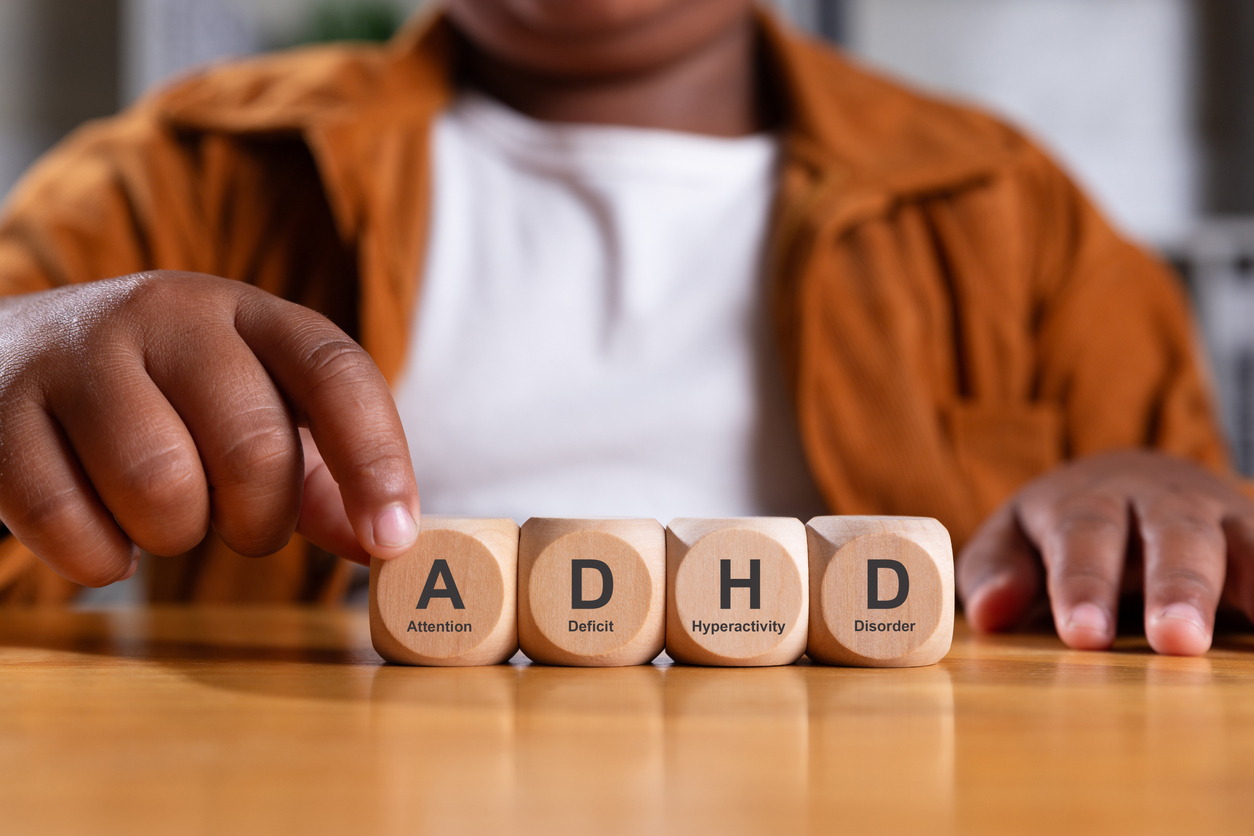
Neurodiversity is part of the human experience, the natural variation in how the human brain works. This covers people with autism spectrum disorder (ASD), attention deficit hyperactivity disorder (ADHD), dyslexia, developmental coordination disorder and other neurodevelopmental conditions. Instead of viewing these as deficits or abnormalities the neurodiversity movement is about understanding, acceptance and appreciation of these neurological differences as strengths.
By looking into neurodiversity, its social implications and ways of inclusion we can create a world that values diverse minds and equality in education, workplaces and beyond.
What Is Neurodiversity?
Neurodiversity means that differences in how we process information, communicate and interact with the world are natural and valuable. Coined by Australian sociologist Judy Singer in the 90s the term challenges the traditional view that these differences are deficits. Instead it sees them as part of human diversity, like ethnicity, gender or culture.
Neurodivergent people include people with autism spectrum disorder (ASD), ADHD, sensory processing disorders, learning disabilities and other neurological conditions. Their brains work differently and these differences can show up in social communication, body language and sensory processing.
The movement also wants to reduce social exclusion and stigma faced by neurological minorities like autistic people or people with Tourette’s syndrome.
Neurodiversity in Education
The education system struggles to cater for neurodiverse individuals especially those with learning disabilities or autistic spectrum traits. Traditional methods that assume all students learn the same way can inadvertently marginalise students whose brains work differently.
In the Classroom:
- Rigid Standards: Expectations tied to standardised testing don’t align with how neurodivergent people learn and express themselves.
- Social Situations: Students with autism spectrum disorder or social anxiety struggle with social relationships in structured environments.
- Sensory Processing Disorders: Noise, lighting and other environmental factors can overwhelm some students.
Ways to Include:
- Individualised Education Plans (IEPs): Instruction tailored to neurodiverse people means better engagement and learning outcomes.
- Sensory Friendly Environments: Schools can adapt the physical space to support students with sensory processing disorders.
- Teacher Training: Teachers with tools to support autistic students and other neurodevelopmental conditions can create more inclusive classrooms.
- Technology Integration: Apps, speech-to-text tools and adaptive learning platforms for neurodivergent people.
Supporting neurodiversity in schools doesn’t just benefit neurodivergent people; it benefits everyone in education by promoting empathy and collaboration.
Neurodiversity in the Workplace
Workplaces have traditionally ignored the contributions of neurodivergent people but the tide is turning. Companies like Microsoft and SAP have programmes to hire and support employees from the autistic community or those with ADHD.
Why Neurodiversity in Business:
- Innovation: Diverse perspectives means creative problem solving and new ideas.
- Superpowers: People with ADHD may excel in high energy roles, those with autism spectrum disorder (ASD) often bring focus and attention to detail to detail oriented tasks.
- Promote Equality: Hiring neurodivergent people is not only the right thing to do but also positions organisations as leaders in social justice movements.
Ways to Include:
- Flexible Work Environments: Accommodations like quiet spaces and flexible hours reduce stress for neurodiverse people.
- Rethinking Interviews: Traditional interviews that focus on eye contact and quick responses can disadvantage neurodiverse people. Skill based assessments are a fairer approach.
- Awareness Training: Training staff on neurodiversity reduces misconceptions and creates inclusive cultures.
- Online Spaces: Remote work and online interaction is an option for employees who struggle with in person social situations.
Neurodiversity and Mental Health
While the neurodiversity movement celebrates differences, the intersection of mental health conditions like social anxiety or personality disorders with neurological conditions is key. Stigma surrounds these conditions and means under diagnosis or delayed treatment.
A formal diagnosis can be a double edged sword: it can unlock access to services and accommodations but also invite labels that reinforce stigma. For example autistic people and those with ADHD often report struggling to balance acceptance of their identity with medicalisation of their experiences.
Mental Wellbeing:
- Integrated Services: Schools, workplaces and healthcare providers must offer whole person services that address mental illness and neurological differences.
- Community Support: The rise of social media has given the autistic community and other neurodiverse people a space to connect, share and advocate.
A Neurodiverse Society
A neurodiverse society where neurodiverse people flourish requires effort at individual, organisational and systemic level.
What to Do:
- Education and Advocacy: Public campaigns can debunk myths about autism, ADHD and other conditions so we can describe people and their abilities without bias.
- Social Justice Movements: Equality for neurological minorities must be part of broader inclusion efforts.
- Policy Changes: Governments must make accommodations in schools, workplaces and public spaces so neurodivergent people are not excluded.
Neurodiversity: Events and Campaigns
The global neurodiversity movement is growing fast, driven by advocacy, research and community activity. One of the standout events is the National Neurodiversity Show, a ground breaking platform to celebrate and advance neurodiversity. It’s a vital meeting point for neurodivergent people, educators, employers and advocates to share knowledge, collaborate and promote neuro-minorities. With workshops, keynote speakers and resources the show inspires attendees to create inclusive environments in education, workplaces and beyond. By celebrating the strengths of neurodiverse people the event is driving real change.
Conclusion
Neurodiversity reminds us the world runs on natural variation. When we celebrate how the human brain works in different ways we unlock potential for everyone. From the classroom to the boardroom embracing neurological differences means innovation, compassion and resilience.
The future is a society that values all its members – not just the ones that fit the mould of “normal”. As we continue to learn, adapt and grow the neurodiversity movement will be the driving force for inclusion and change. Together we can create a world where every person feels valued, supported and enabled to contribute their unique talents.